
Our top picks for winter tires that handle Ontario's toughest conditions.
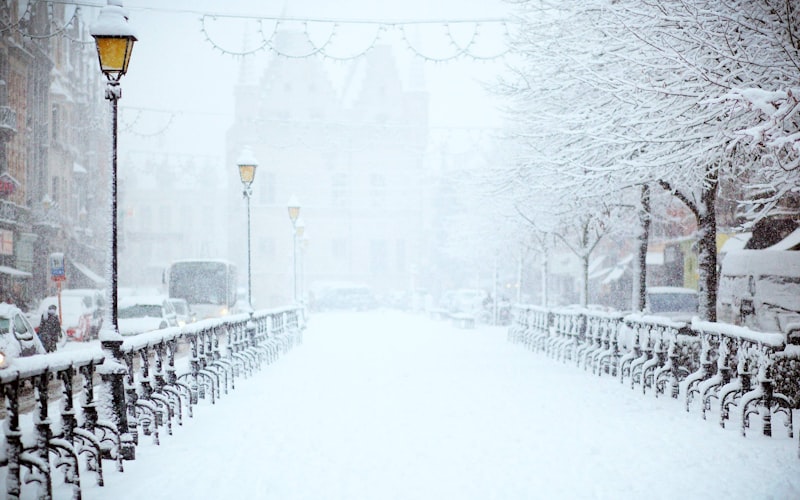
Black ice earns its name because you cannot see it. The road looks wet or merely shiny, but it is covered in a transparent layer of ice with almost zero grip. It catches experienced Ontario drivers off guard because there is no visual warning until the steering goes light and the car stops responding.
I have hit black ice on Highway 7 east of Peterborough, on the 401 near Belleville, and on a residential street in Ottawa. Each time the sensation was identical — the steering goes vague, the car drifts, and for a second or two you are a passenger in your own vehicle.
It is not random. Black ice forms in predictable locations:
The prime temperature range is -5°C to 2°C. Early morning and late evening commutes from November through March fall squarely in this zone.
Take your foot off the gas. Do not accelerate, do not brake. Let the car coast. This preserves whatever minimal grip exists.
Keep the wheel pointed where you want to go. Small, gentle inputs only. The car will often regain traction once it moves past the ice patch.
If the rear slides out, steer gently into the slide. Back end swings right, turn the wheel slightly right. Do not overcorrect — small movements only.
Once traction returns, brake gently. If ABS activates (rapid pulsing in the pedal), keep firm pressure and let the system work. Do not pump the brakes on an ABS-equipped car.
Never use cruise control when black ice is possible. It cannot detect traction loss and may apply throttle at the worst moment.
Winter tires with ice-gripping compounds like the Bridgestone Blizzak WS90 or Nokian Hakkapeliitta R5 provide measurably more stopping power on ice. Reduce speed before bridges and shaded stretches. Leave six to eight seconds of following distance in conditions where black ice is likely.
For more winter safety, read our guides on freezing rain, common winter mistakes, and heavy snow driving.
Our top picks for winter tires that handle Ontario's toughest conditions.

Explore the best coastal routes around Georgian Bay.
What to check before buying a used vehicle in Ontario.