
Our top picks for winter tires that handle Ontario's toughest conditions.
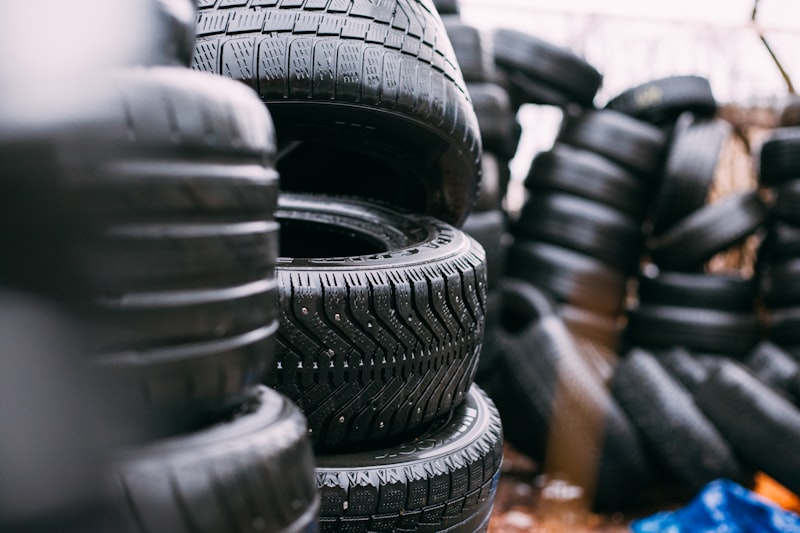
Tread depth directly determines how well your tires grip the road, especially on wet, snowy, or icy surfaces. In Ontario, where we drive on rain, slush, snow, and ice for over half the year, monitoring tread depth is not optional maintenance — it is a safety check.
Ontario's safety inspection requires a minimum of 2/32 inch (1.6 mm) of tread to pass. But that is the legal minimum, not the safe minimum. At 2/32 inch, a tire has almost no ability to channel water or slush. Hydroplaning risk increases dramatically. For winter tires, most experts recommend replacing them at 5/32 inch (4 mm) because the snow and ice grip drops sharply below that point.
The most accurate method. Insert the gauge into the tread groove and read the measurement. Check at least three points across the tire (inside, centre, outside) and in multiple locations around the circumference. The lowest reading is the one that counts.
Insert a Canadian quarter into the tread groove with the caribou's nose pointing down. If you can see the tip of the nose, your tread is at or below 4/32 inch — time to start shopping for replacements. If the tread reaches the caribou's nose, you have approximately 5/32 inch or more remaining.
Every tire has built-in wear bars — raised rubber bars between the tread grooves, typically at 2/32 inch. When the tread surface is level with these bars, the tire is at the legal minimum and must be replaced. Look for them between the main tread grooves.
When checking depth, look at wear patterns across the tire. If the inside or outside edges are wearing faster, you likely have an alignment issue. If the centre wears faster, the tire is overinflated. If the edges wear faster than the centre, it is underinflated. See our uneven tire wear guide and alignment guide for more.
Check tread depth at every tire rotation and before each winter season. For tire recommendations, see our winter tire guide.
Our top picks for winter tires that handle Ontario's toughest conditions.

Explore the best coastal routes around Georgian Bay.

What to check before buying a used vehicle in Ontario.