
Our top picks for winter tires that handle Ontario's toughest conditions.
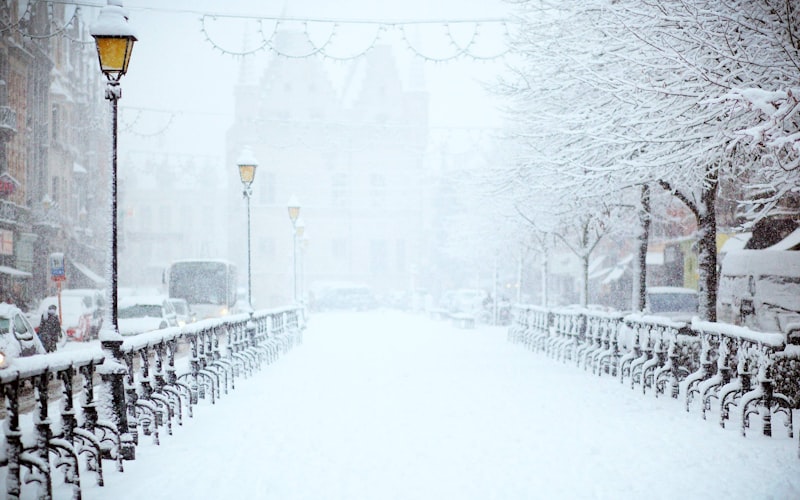
Freezing rain is the most dangerous driving condition in Ontario. Not blizzards, not deep snow, not even black ice — freezing rain. It is liquid water that freezes on contact with every surface it touches, coating the road in a uniform sheet of ice that is nearly invisible and effectively frictionless. In 2013, a massive ice storm hit southern Ontario and left hundreds of thousands without power for days, with roads that were undriveable for nearly a week in some areas.
The reason freezing rain is worse than snow is that snow gives you some visual warning and some texture to grip. Freezing rain gives you neither. One moment the road is wet. The next moment it is glass. And unlike black ice, which forms in patches, freezing rain coats everything uniformly — the road, the bridges, the guardrails, your windshield.
The temperature sweet spot for freezing rain is narrow — typically between -2°C and 0°C at ground level, with warmer air above. Here is how to know it is happening:
If you realize you are driving in active freezing rain, your priority is to get off the road safely. But you cannot just slam on the brakes or make sudden moves on an iced-over surface. Here is the sequence:
Reduce speed gradually. Lift off the gas and let the car slow through engine braking. Do not brake suddenly. On a sheet of ice, even ABS cannot help you if you are going too fast — the system will pulse but the tires have nothing to grip.
Increase following distance to maximum. You need at least six to eight seconds behind the car ahead. On pure ice, your stopping distance at 80 km/h can exceed 150 metres.
Turn off cruise control immediately. Cruise control on an icy surface is a recipe for loss of control. It cannot detect traction loss and may apply throttle at exactly the wrong moment.
Find a safe place to stop. An exit ramp leading to a parking lot is ideal. A well-lit gas station or rest area works. Avoid stopping on the highway shoulder in freezing rain — visibility is often reduced and other drivers on ice may not be able to stop or steer around you.
Stay in your vehicle. If you have to stop on the shoulder, turn on your hazard lights and stay belted in your car. Walking on a highway shoulder during freezing rain is extremely dangerous — you could slip and fall into traffic, or a sliding vehicle could hit you.
This is the part most driving guides skip. Sometimes the safest choice is to not drive at all.
Check Environment Canada forecasts and Ontario 511 before heading out between November and March. If freezing rain is in the forecast, delay your trip if at all possible. No meeting, no appointment, no errand is worth the risk of driving on a surface where you have almost no control.
Eastern Ontario from Kingston through Ottawa is particularly prone to freezing rain events. The convergence of cold Arctic air and warmer moist air from the Great Lakes creates a freezing rain corridor that hits this region multiple times each winter. If you live or drive regularly in this area, take freezing rain warnings seriously.
Proper winter tires are non-negotiable for freezing rain. The soft compound of a winter tire provides some grip even on ice, while all-season tires become essentially useless. Tires like the Nokian Hakkapeliitta R5 and Bridgestone Blizzak WS90 are specifically engineered with ice-gripping compounds that make a measurable difference.
Keep your windshield washer fluid reservoir full with -40°C rated fluid. During freezing rain, your wipers will struggle to keep the windshield clear. Set your defroster to maximum and turn on the rear defroster as well. See our winter windshield care guide for more preparation tips.
Your winter emergency kit should include an ice scraper heavy enough to handle thick ice buildup, not just the flimsy ones that come with most snow brushes. A can of de-icing spray ($6 to $8 at Canadian Tire) for door locks and handles is worth carrying too — after a freezing rain event, you may not be able to get into your car without it.
Roads do not immediately improve when freezing rain stops. The ice stays until temperatures rise above freezing or salt trucks treat the surface. Sand provides traction but does not melt the ice. Municipal roads typically get treated before residential streets, so your neighbourhood roads may remain icy long after the highway is clear.
Wait for the salt to work. In southern Ontario, main roads are usually passable within a few hours of the precipitation ending. Side streets and parking lots can stay treacherous for a day or more.
Our top picks for winter tires that handle Ontario's toughest conditions.

Explore the best coastal routes around Georgian Bay.
What to check before buying a used vehicle in Ontario.