
Our top picks for winter tires that handle Ontario's toughest conditions.
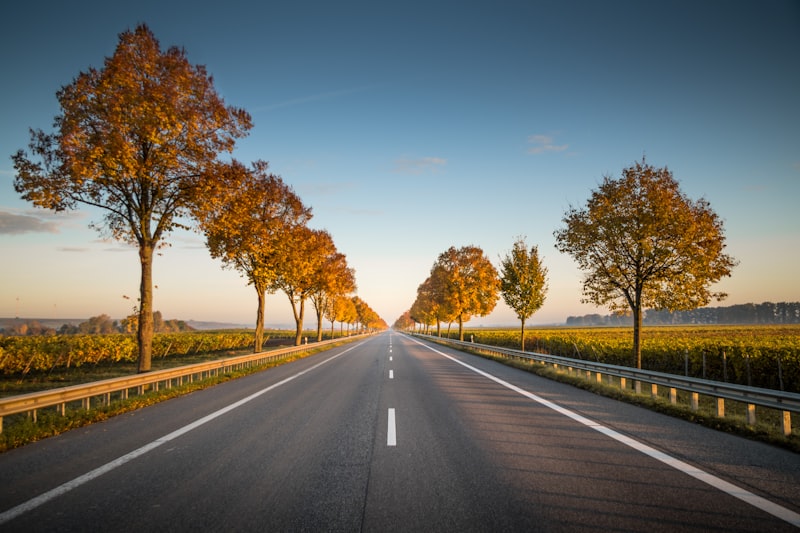
The 400-series highways are Ontario's arterial system, and they can be genuinely intimidating if you are not used to them. The 401 through Toronto carries over 500,000 vehicles per day in some sections, making it one of the busiest highways on the continent. The 400 north of Barrie turns into a slow-moving parking lot every Friday afternoon from May to October. The 407 charges tolls that can shock you when the bill arrives.
Here is how to navigate these highways without losing your mind or your safety.
The 401 runs 828 km from Windsor to the Quebec border. Through Toronto, it expands to 16 to 18 lanes in places, with a collector-express system that confuses even experienced drivers. The key is understanding that the express lanes are for through traffic — if you need an exit soon, stay in the collectors.
Peak hours are 7:30 to 9:30 AM and 3:30 to 6:30 PM on weekdays. During these windows, the 401 through the GTA crawls. If you are passing through Toronto on a road trip, time your drive for mid-morning (10 AM to noon) or mid-evening (after 7 PM) and you will move at highway speed.
The 401 east of Toronto toward Kingston is less congested but has its own challenge: fatigue. It is flat, straight, and monotonous for 250 km. The OPP posts "Fatigue Kills" signs for a reason. Take rest breaks at the ONroute service centres every 90 minutes to two hours.
From May to October, the 400 north from Barrie to Parry Sound becomes Ontario's most frustrating highway every Friday afternoon and Sunday afternoon. Traffic backs up for 20 to 30 km. What should be a 90-minute drive from Barrie to Parry Sound can take three hours.
To beat it: leave Toronto before 2 PM on Friday or after 8 PM. On Sunday, head south before noon or after 7 PM. Highway 11 via Orillia is an alternative, though locals will not thank me for sharing that. For more on navigating cottage country, see our cottage country driving guide.
The left lane is for passing. This is not just etiquette — Ontario law requires you to move right after passing. Sitting in the left lane at the speed limit while faster traffic stacks up behind you causes congestion and increases the risk of aggressive right-lane passing manoeuvres.
The practical approach: cruise in the centre lane on a three-lane highway, use the left to pass, and treat the right lane as a merge lane near on-ramps. On a two-lane highway, stay right except to pass.
The posted limit on most 400-series highways is 100 km/h, with some sections at 110 km/h. The actual flow of traffic typically runs 115 to 120 km/h. Going significantly faster than traffic flow is dangerous and going significantly slower is equally dangerous because it creates a speed differential that forces other drivers to brake and change lanes around you.
Ontario introduced higher fines for stunt driving at 40 km/h or more over the limit (140 km/h in a 100 zone). Penalties include vehicle impoundment, licence suspension, and fines of $2,000 to $10,000. Whatever your opinion on speed limits, 140+ on the 401 is not worth the legal consequences.
Use the full length of the on-ramp to match highway speed before merging. Merging at 80 km/h into 120 km/h traffic is one of the most common causes of rear-end collisions on the 400-series. Conversely, if you are on the highway and see a vehicle merging, move left if safe to give them room.
For exits, get into the right lane at least 1 km before your exit. Last-second lane changes across multiple lanes of traffic cause accidents daily on the 401.
The 400-series highways in winter are a different animal. Winter tires are non-negotiable for regular highway use. Increase following distance to at least four to six seconds. Reduce speed to match conditions, not the speed limit — if visibility is low and the road is snow-covered, 80 km/h is sensible even if the limit is 100.
Multi-vehicle pileups on the 400-series happen almost every winter, usually in whiteout conditions or on black ice. If visibility suddenly drops, slow down, turn on your low beams (not high beams, which reflect off snow), and put on four-way flashers. If it gets truly bad, take the next exit and wait it out. See our heavy snow driving guide.
Check Ontario 511 for real-time highway conditions before any winter highway drive. For broader winter driving safety, see our common winter driving mistakes guide.
Our top picks for winter tires that handle Ontario's toughest conditions.

Explore the best coastal routes around Georgian Bay.
What to check before buying a used vehicle in Ontario.